Guide
Helping a pet adjust to a new home after a move
A new home turns a pet's world upside down, and a long trip adds to it. The good news: small, simple choices in the first days and weeks go a long way. This guide covers what helps, what is normal, and the signs that mean a vet visit.
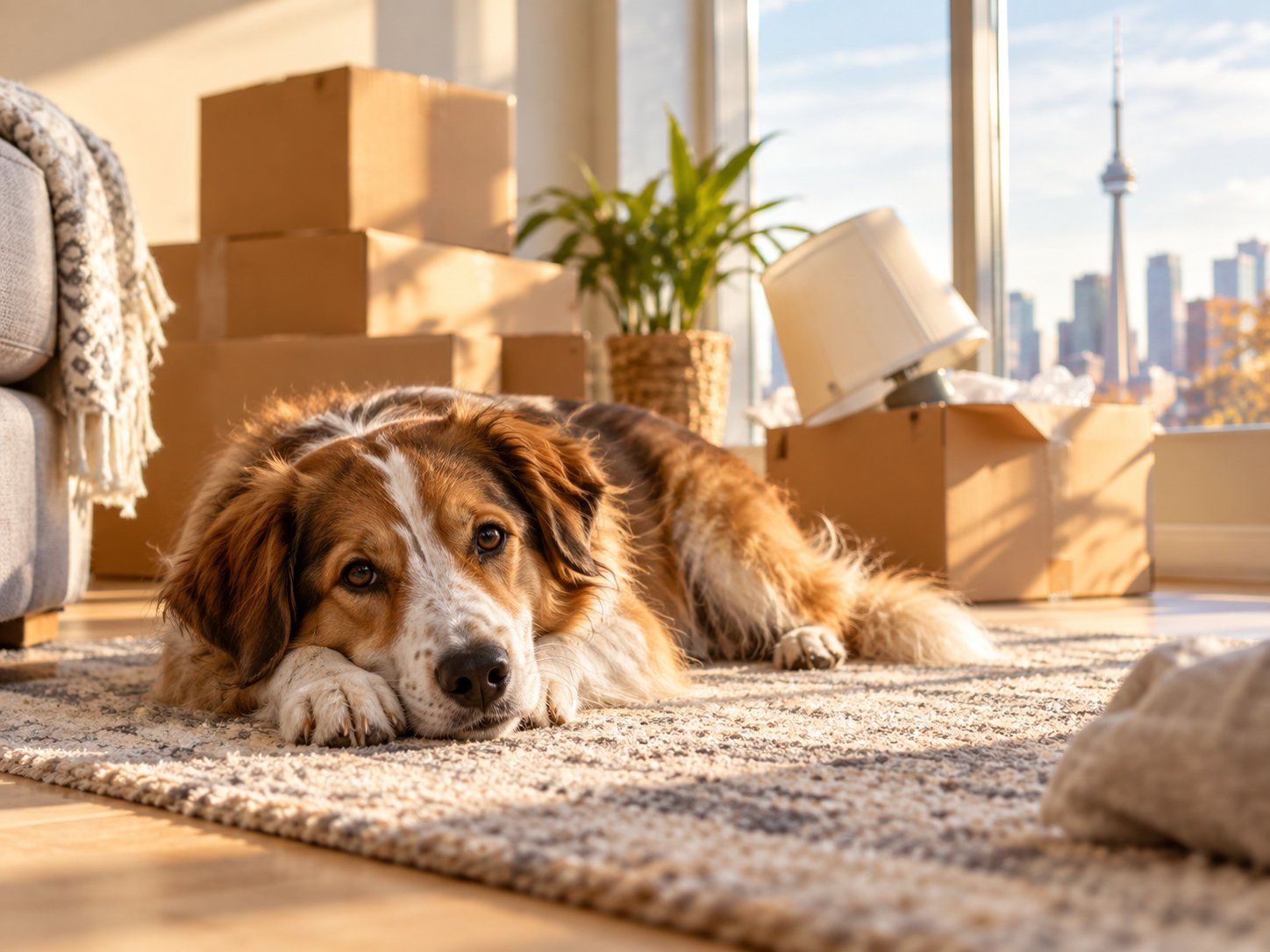
Getting ready before arrival
Set things up ahead of time if you can. Pick a calm room far from the entrance and the stacks of boxes. Put in the bed, the food and water bowls, some toys and, for cats, a litter box. Shut the windows and look for any gap a small animal could squeeze into or escape through.
Pack the items that carry your old home's scent, such as the bed, a blanket or a shirt you have worn. Leave them unwashed. A familiar smell settles a pet better than any new toy or bed from the store.
If your pet flies on its own and arrives after you, use that time: a day or two lets you get the room ready before your pet is delivered.
Day one
The trip was tiring for your pet as well, so make the arrival low key.
- Give water before anything else, then a light meal of the food your pet already eats. A move is the wrong time to change diets.
- Dogs: take a slow lap of the block on a leash to sniff around and relieve themselves, then head back to their room.
- Cats: bring the carrier or crate into the calm room, shut the room door, then open the carrier. Your cat decides when to step out, even if that means waiting for hours.
- Hold off on guests. Introductions to the neighbors can wait a week.
- Spend time nearby. Read a book in the room or chat softly. Hearing you relaxed is reassuring.
Hiding, pacing, picking at food or a restless first night are all expected.
Week one
Stick to the schedule you had. Meals, walks and bedtime should happen when they always did. After a move across time zones, slide the schedule by about an hour each day instead of changing it in one go.
Give access one room at a time. When your pet is eating and resting well in the first room, add another space to explore while you are close by.
Leash and a well fitted harness for every walk. A dog that never needed a leash at home still does not know this neighborhood. A scared pet may run.
Keep alone time short. Try to be home the first few days. After that, step out briefly and stretch the time bit by bit.
Refresh the ID. The collar tag should show the cell number you use now, and the microchip record needs your new address.
Cats and dogs settle in differently
Dogs
For most dogs, home is their people and their daily rhythm, not the building. Once meals, walks and bedtime feel normal again, they usually relax. Get to know the area on short walks side by side, and try a calm park before a crowded one. Every noise is new at first, so extra barking is common. It tends to calm down in a couple of weeks. How the flight itself works for dogs is on our dog transport page.
Cats
A cat's sense of safety is tied to its territory, which makes moving harder on cats. Keep your cat in a single room for a few days, or longer while it is still hiding. Place the litter box as far from the food bowl as the room allows. Offer hiding spots and high perches, such as a cleared shelf or a box to sit on. Even an outdoor cat should stay inside for the first few weeks or more. Our cat transport page has more on moving cats.
More than one pet
Even pets that were friends can bicker for a few days in an unfamiliar space. Set out separate bowls and beds, plus a litter box per cat, and supervise feeding time.
A new climate
Leaving Seattle can mean very different weather. Allow a few weeks for your pet to get used to it.
- Hot places (Phoenix, Las Vegas, Texas, Florida, Hawaii): go out in the early morning and evening, bring water, and press your hand on the pavement before setting off. A parked car is never a safe place for a pet.
- Cold places (Alaska, Minneapolis, Chicago or Boston in winter): keep the first outings brief, and wipe paws dry after walking on ice or road salt.
Seniors, puppies and kittens, snub-nosed breeds, and dogs with very short or very thick coats feel the shift the most. A local vet can warn you about risks that are new to you, like ticks or other parasites.
Find a new vet
Pick a clinic close to your new place in the first few weeks, while your pet is well. Have your previous vet send over the file, with vaccines and any medicines. Schedule a quick first visit so the staff get to know your pet, and keep the address of the closest emergency clinic handy.
Pet license in your new home
A lot of US cities and counties require pets to be licensed. Your old license stays with your old city, so look up the rules on the new city or county website in your first days there. Moving to Seattle? See the Seattle Animal Shelter site.
Renting or living in a condo? Read the building's pet policy as well, for example leash rules in shared halls and using the elevator.
Signs of stress to watch for
A bit of stress is expected after moving. Watch for these:
- Hiding, or shadowing you everywhere you go
- Eating less for a day or two
- Accidents indoors from a pet that is house trained
- Pacing, panting, whining, or extra meowing, mostly at night
- Too much licking or grooming
- A mild upset stomach that passes quickly
As the new home becomes familiar, these signs usually ease within days. Hold the routine steady, never punish accidents, and make sure your pet has a quiet spot to retreat to.
Still planning the move?
Read moving pets across the country for flying vs driving, crate training, paperwork and a plan that begins 8 weeks before moving day. Going to Hawaii or Alaska? We have guides on moving pets to Hawaii and moving pets to Alaska. When we arrange your pet's flight, the person waiting at the new home gets the arrival details from us, so those first hours are easy.
Settling in: questions
How long until my pet feels at home?
Should my cat stay inside after the move?
My dog is not acting like himself. Is that normal?
Does my pet need a new license?
How soon should I look for a vet?
What if the weather is very different?
A move with your pet coming up?
Dogs and cats fly door to door between Seattle and cities around the US with us. Send the form and see your price.